Press
Media contact: cornelius@corneliusclay.com
Biography
Short bio (29 words)
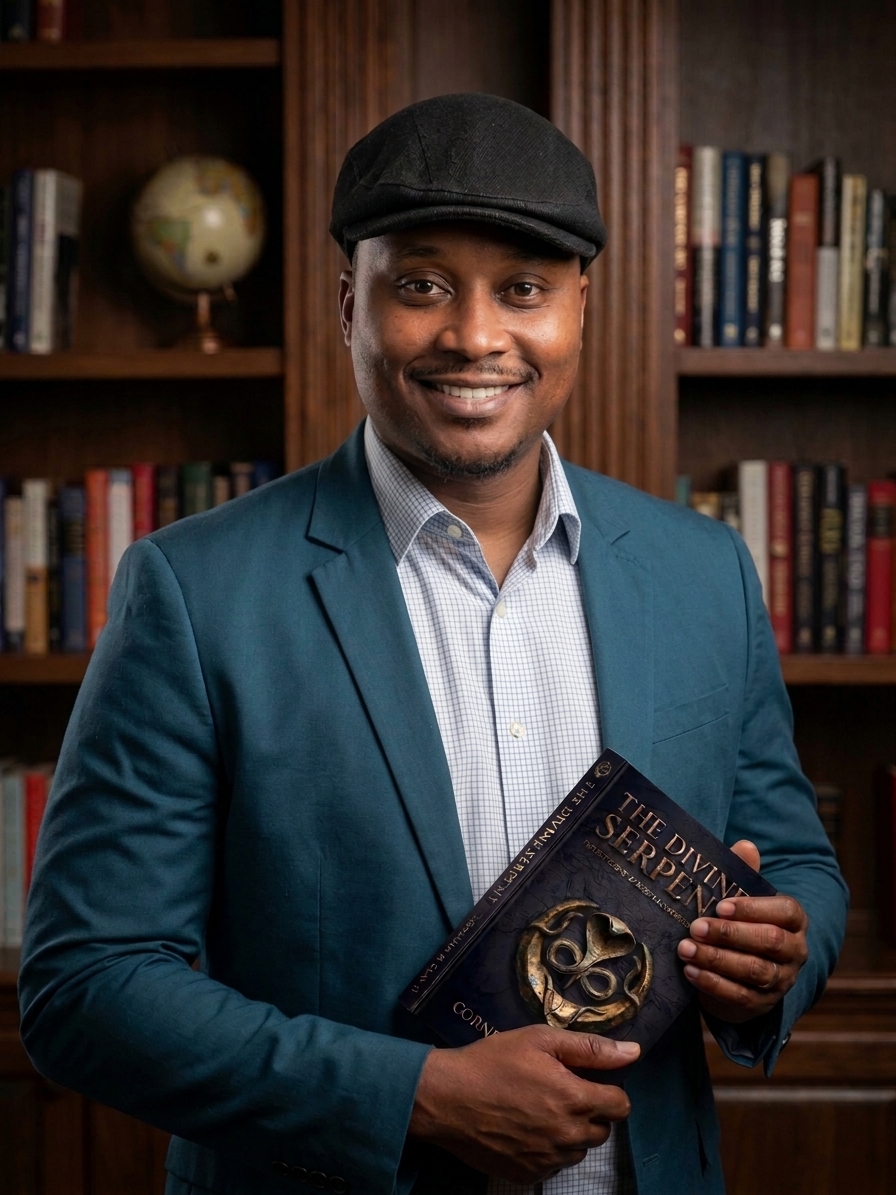
Cornelius M. Clay II is an author and independent scholar whose work explores the ideas, symbols and practices through which human beings have sought to understand existence and transformation.
Long bio (256 words)
Cornelius M. Clay II is an author and independent scholar whose work explores the ideas, symbols and practices through which human beings have sought to understand existence and transformation. Raised in a Southern Baptist tradition in California, he has spent more than two decades pursuing a question that remained unresolved within his upbringing, following it through martial arts, Buddhist and Daoist frameworks, Advaita Vedanta and the archaeological record.
His method is comparative rather than confessional. Drawing on primary texts, archaeological records and living traditions, he examines recurring symbols, ideas and practices across cultures, including instances where direct transmission is difficult to establish. For Clay, symbols are where the inquiry begins, not where it ends. The larger subject is transformation itself: how human beings have understood it, pursued it and sought to preserve the knowledge associated with it.
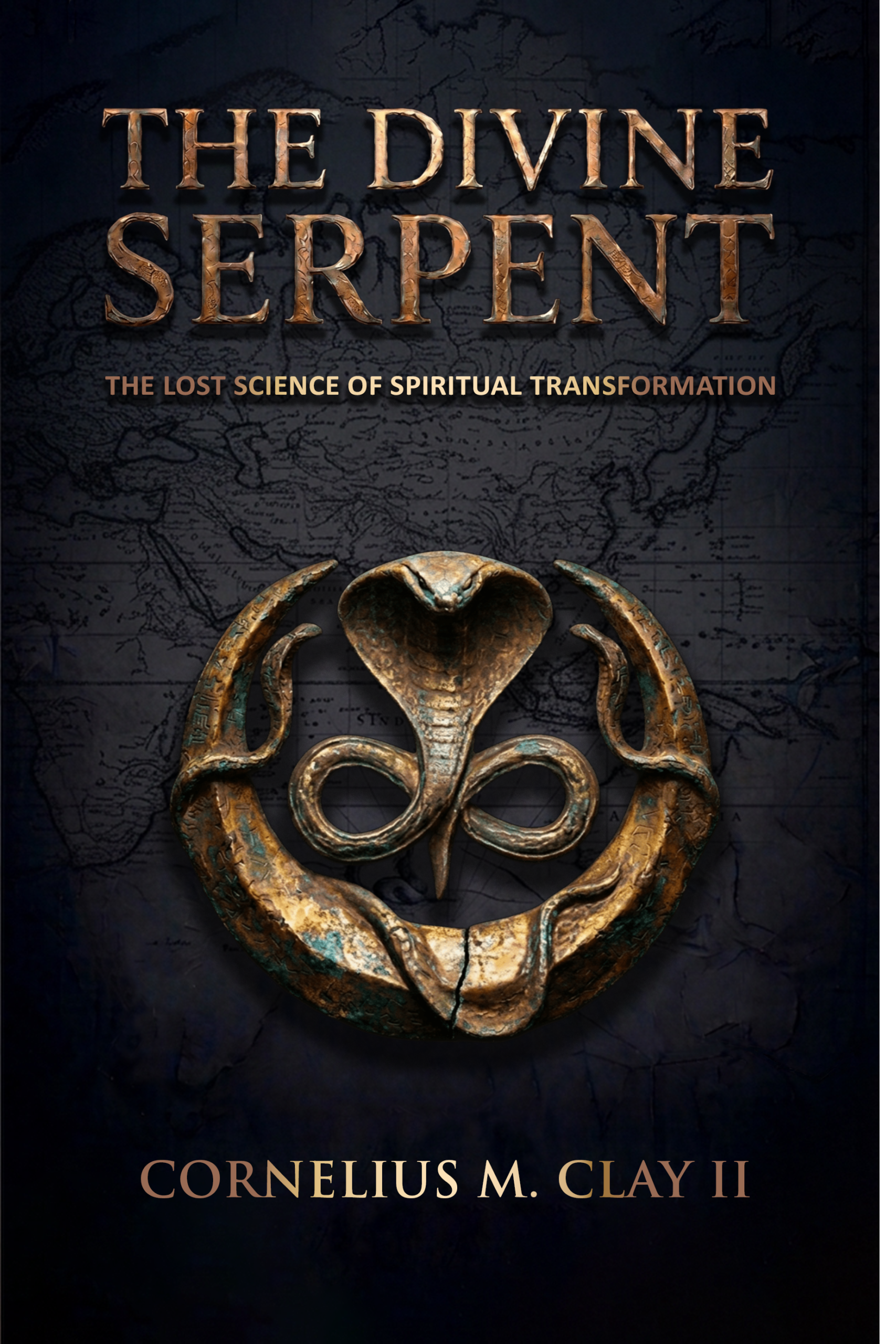
That inquiry runs through each of his books. The Divine Serpent: The Lost Science of Spiritual Transformation (Black Sage Press, 2026), his first book, examines recurring serpent symbolism across cultures and the questions these patterns raise about humanity’s spiritual traditions. The Divine Serpent, Vol. 2, now in development, extends the investigation beyond the scope of the first volume. The Simple Way, also forthcoming, brings a related inquiry to martial philosophy, exploring transformation through a tradition in which understanding is tested not only in theory, but in practice.
Clay works independently, outside a formal academic appointment. His approach brings disciplines that are rarely examined together into sustained comparison, following their points of convergence without assuming in advance what those similarities must mean.
Downloads
Publication details
- Title
- The Divine Serpent
- Subtitle
- The Lost Science of Spiritual Transformation
- Author
- Cornelius M. Clay II
- Publisher
- Black Sage Press
- Publication date
- August 29, 2026
- Paperback
- ISBN 979-8-9977805-0-0 · $29.99
- Hardcover
- ISBN 979-8-9977805-1-7 · $54.95
- Pages and trim
- 475 pages · 6 × 9 in
- Library of Congress
- LCCN 2026922395
- Distribution
- Ingram Content Group
- Book website
- divineserpent.com (opens in a new tab)
Interview themes
-
The ancient technology of transformation
What ancient cultures understood about change before modern psychology gave it a vocabulary.
-
The serpent we misread
What if humanity's oldest recurring symbol began as an observation, not a metaphor?
-
Beyond good and evil
In Genesis the serpent brings the fall; in Numbers it heals. Why it cannot be reduced to tempter or savior.
-
Transformation without initiation
What happens to people when a society loses its frameworks for profound change.
Suggested interview questions
- After twenty years with this question, what surprised you most?
- Why did so many unrelated civilizations choose the serpent to represent transformation?
- Are these parallels evidence of contact between cultures, or of independent recognition?
- What do "destabilization, threshold, reintegration" look like in a modern life?
- What did ancient cultures understand about change that we have lost?
Media contact
Interview requests and press enquiries: